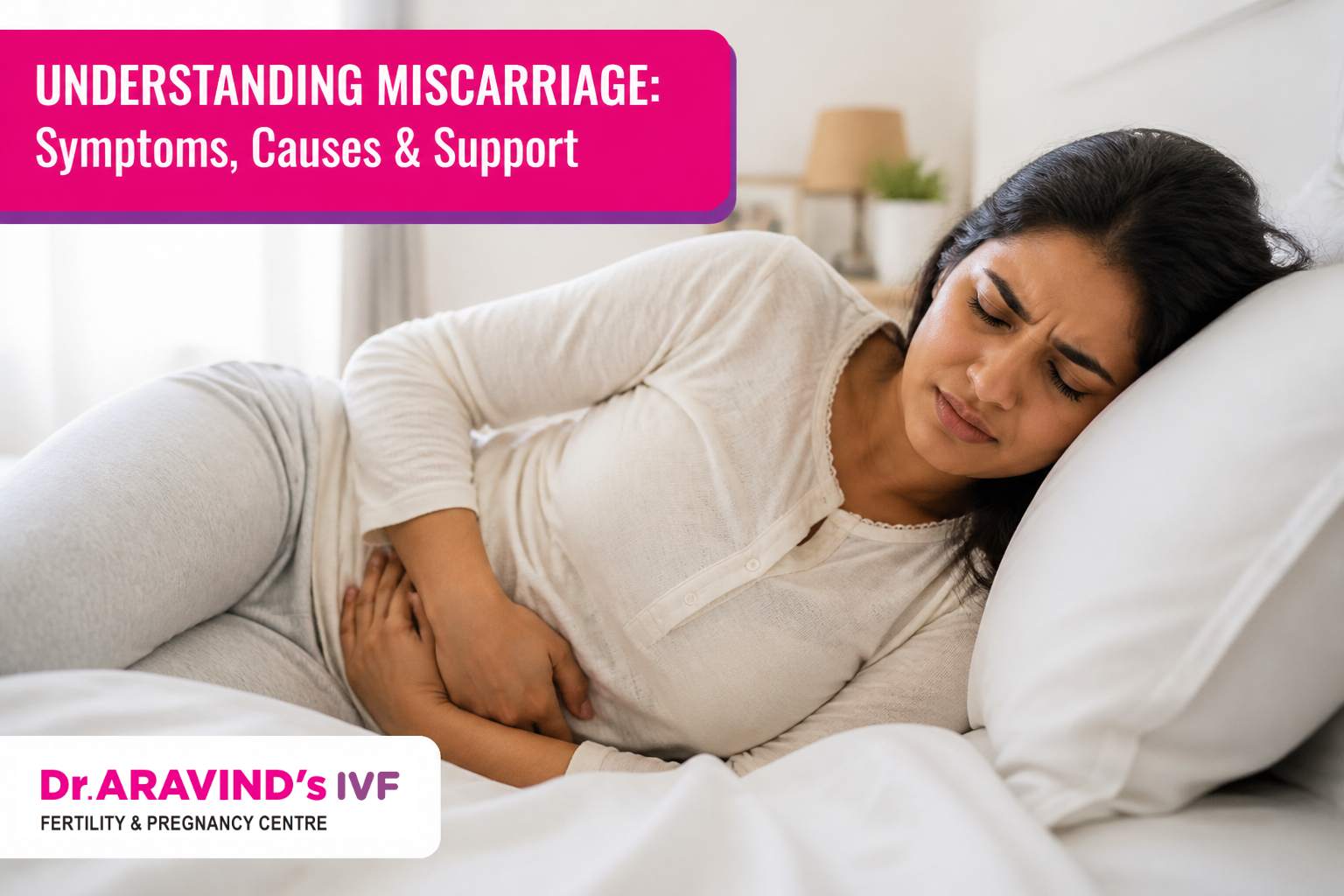
Can You Recognize the Early Signs of Miscarriage?
Miscarriage symptoms may include vaginal bleeding, abdominal cramping,
lower back pain, and passing clots or pregnancy tissue. However, these
symptoms do not always mean a miscarriage has occurred, and some
miscarriages cause no noticeable symptoms. An ultrasound scan and,
when needed, repeat blood tests may help a healthcare professional
determine what is happening.
What Are the Signs of a Miscarriage?
The most common signs of a miscarriage are vaginal bleeding and cramping or pain in the lower abdomen, often stronger than typical period cramps. Not everyone experiences the same symptoms, and some early miscarriages happen with very few noticeable signs at all.
Other symptoms you might notice include a decrease in pregnancy symptoms you'd been having (such as nausea or breast tenderness), passing tissue or clots, and lower back pain. According to the Mayo Clinic, none of these symptoms alone confirms a miscarriage is happening — many can also occur in a continuing, healthy pregnancy — so any bleeding or pain during pregnancy is worth discussing with your doctor rather than trying to interpret on your own.
What Is a Miscarriage? Types and Meaning
Miscarriage is common, especially in early pregnancy. It is the loss of a pregnancy before 20 weeks, most commonly happening in the first trimester, as defined by NHS guidance. It is not a reflection of anything you did or didn't do.
A few terms are used to describe different situations:
- Threatened miscarriage: bleeding occurs, but the pregnancy may still be continuing; monitoring determines the outcome.
- Missed miscarriage (sometimes called a silent miscarriage): the pregnancy has stopped developing, but there's little or no bleeding, so it's often only found during a routine scan.
- Chemical pregnancy: a common informal term for a very early pregnancy loss, often detected by a positive pregnancy test shortly before an expected period, sometimes before it would even be visible on a scan.
- Recurrent miscarriage: definitions vary across clinical guidelines — ACOG notes some consider evaluation after two pregnancy losses, others after three. A fertility specialist can advise whether further investigation is appropriate based on your individual history.
You may also see a miscarriage described by how far along the pregnancy was — for example, a "4 week miscarriage" or "2 month miscarriage." These terms simply refer to the stage of pregnancy at the time of loss, not a specific symptom pattern to expect; how a miscarriage presents varies from person to person regardless of the exact week.
What Causes a Miscarriage?
Most early miscarriages happen because of a chromosomal abnormality in the developing embryo, something that occurs randomly during cell division and is not caused by anything the parents did, according to Mayo Clinic. This is the single most common identified reason, particularly for losses in the first trimester, though Mayo Clinic notes that at least half of early miscarriages have no identified cause at all.
Other factors that can play a role include hormonal imbalances, certain uterine conditions, and chronic health conditions that aren't well controlled. It's natural to look for a reason, but in most single miscarriages, there's nothing that could have realistically been prevented — ordinary activities like exercise, stress, or daily life are not usually the cause. If losses happen repeatedly, that's when further evaluation becomes genuinely useful, and our guide on why embryos stop growing covers how chromosomal factors are assessed in more detail.
Common Miscarriage Myths
Did stress cause my miscarriage?
Everyday stress is not generally considered a direct cause of miscarriage. Most miscarriages happen because of chromosomal abnormalities in the embryo.
Did exercise cause my miscarriage?
Normal exercise is not usually a cause of miscarriage. Most guidelines consider regular, moderate exercise safe in pregnancy unless your doctor has advised otherwise.
Was it my fault?
No. Most miscarriages happen because the embryo was not developing normally, usually due to a random chromosomal factor, and this could not have been prevented or caused by something you did.
Miscarriage Bleeding and Symptoms by Week
Symptoms can vary widely between pregnancies, and bleeding or cramping alone cannot confirm whether a miscarriage is occurring — only a scan and medical assessment can do that.
Early Miscarriage (First Few Weeks)
In the very early weeks, a miscarriage can look similar to a late or heavy period, sometimes with clotting and cramping. At this stage, many women aren't aware they were pregnant at all. This is often what's meant by terms like "1 week miscarriage" — referring to a very early loss, often indistinguishable from a period without a prior positive pregnancy test.
Later First-Trimester Losses
Later in the first trimester, some women notice heavier bleeding or stronger cramping, though this varies considerably and isn't a reliable pattern to go by. The risk of miscarriage is generally highest in early pregnancy and decreases as the pregnancy progresses; seeing a heartbeat on ultrasound and reaching the second trimester are reassuring signs, though they do not remove all risk.
What Happens to the Pregnancy Tissue After a Miscarriage?
During a miscarriage, the body passes the pregnancy tissue, which may include the gestational sac, through the vagina, similar to a heavy period but often with more pronounced cramping. This can understandably feel distressing, and there's no "right" way to feel about it.
In some cases, especially with a missed miscarriage, the body doesn't pass the tissue on its own, and a doctor may recommend monitoring, medication, or a minor procedure to help it complete. This is a medical decision made with your doctor based on your specific situation, not something to determine from symptoms alone.
How Is a Miscarriage Diagnosed and Treated?
A miscarriage is usually confirmed through an ultrasound scan and, in some cases, blood tests tracking hCG hormone levels over a few days, as ACOG explains. Your ultrasound report after a miscarriage may use terms like "empty gestational sac," "no cardiac activity," or "non-viable pregnancy" — these describe the scan findings and are explained by your doctor in the context of your specific case. Our guide on ultrasound monitoring explains how these scans are used to assess a pregnancy's progress more generally.
Treatment depends on the type and stage of miscarriage, and generally falls into three approaches: expectant management (letting the body pass the tissue naturally, with monitoring), medication (to help the process along), or a minor surgical procedure when needed. Your doctor will talk through which option fits your situation, including expected timing and what to watch for.
If you are currently bleeding or have been told you may be having a miscarriage, contact your maternity team or seek medical advice promptly. For support planning next steps after a loss, book a miscarriage support consultation.
What to Expect After a Miscarriage
Bleeding after a miscarriage can last anywhere from a few days to about two weeks, gradually tapering off, though this varies by individual and by how far along the pregnancy was. Cramping typically eases within the first few days.
Your next period often returns within four to six weeks, although timing varies. There is no single rule for when to try again — some people prefer to wait until after one normal period, while others may try sooner. Discuss the timing that's right for you with your doctor, especially if you experienced complications or have been advised to undergo further evaluation.
Coping With Miscarriage: You're Not Alone
A miscarriage is a loss, and grief is a completely valid response, whatever stage the pregnancy was at. There's no timeline for how you should feel, and it's common to experience a mix of sadness, anger, relief, guilt, or numbness, sometimes all at once.
Talking about it, whether with a partner, a trusted person, or a counsellor, can help, even though it can feel difficult to start that conversation. You don't have to carry this alone, and it's okay to ask for support. If you'd find it helpful to talk things through with someone trained to support you during this time, our infertility counselling service at Dr. Aravind's IVF is there for exactly this.
When to See a Doctor
Seek urgent medical care if you experience heavy bleeding — for example, soaking through more than two pads an hour for two hours or more — severe or worsening abdominal pain, fever, chills, or foul-smelling vaginal discharge.
Seek emergency care immediately if you have severe or one-sided abdominal pain, shoulder-tip pain, dizziness, fainting, or feel very unwell. These can sometimes be signs of an ectopic pregnancy, which needs urgent treatment and should never wait.
If you've experienced two or more pregnancy losses, it's worth discussing recurrent miscarriage evaluation with your doctor, since there are tests that can help identify an underlying, treatable cause. If you have concerns about pregnancy loss or would like to discuss your next steps, book a consultation with Dr. Aravind's IVF.
Key Takeaways
- Vaginal bleeding and cramping are the most common miscarriage symptoms, but not every instance of bleeding means a miscarriage is occurring.
- Most early miscarriages happen because of random chromosomal abnormalities, not because of anything the parents did.
- An ultrasound scan and medical assessment are needed to confirm a miscarriage — symptoms alone cannot.
- Severe or one-sided abdominal pain, shoulder-tip pain, heavy bleeding, or feeling faint need urgent medical attention, as these can indicate an ectopic pregnancy.
- Recurrent pregnancy loss can be evaluated by a fertility specialist to look for an underlying, treatable cause.