Understand what uterine polyps are, whether they're dangerous, how they're removed, and what recovery really looks like.
Finding out you have a uterine polyp can feel alarming - especially with so many conflicting answers online about pain, surgery, and cancer risk. The good news is that most uterine polyps are simple to diagnose, straightforward to remove, and rarely serious.
This guide answers the questions women actually search for: what uterine polyps are, whether they can be cancerous, how removal surgery works, whether it hurts, and what your recovery and cost will realistically look like in India.
Understand what uterine polyps are, whether they're dangerous, how they're removed, and what recovery really looks like.
Finding out you have a uterine polyp can feel alarming - especially with so many conflicting answers online about pain, surgery, and cancer risk. The good news is that most uterine polyps are simple to diagnose, straightforward to remove, and rarely serious.
This guide answers the questions women actually search for: what uterine polyps are, whether they can be cancerous, how removal surgery works, whether it hurts, and what your recovery and cost will realistically look like in India.
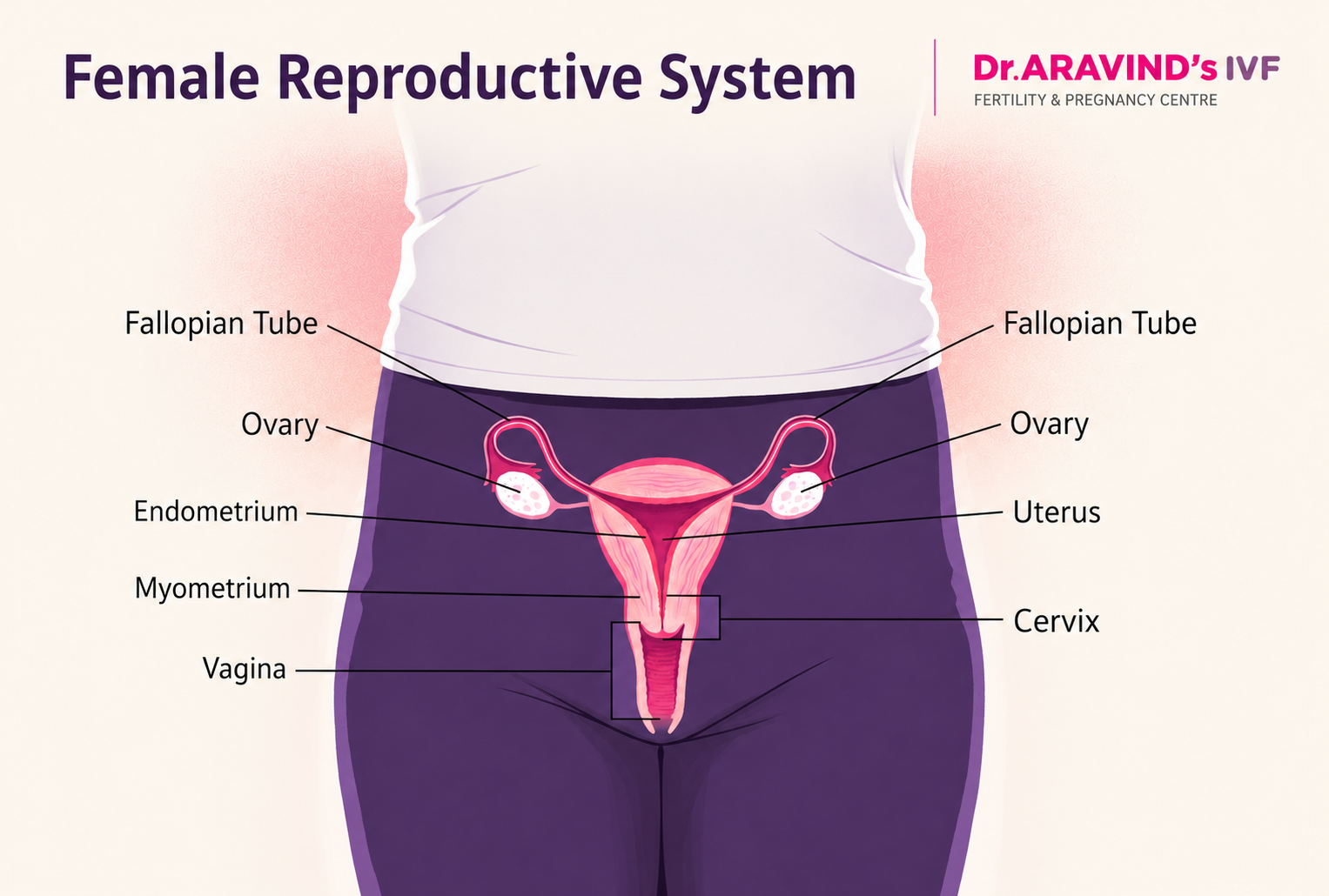
Uterine polyps, also called endometrial polyps, are small growths that attach to the inner lining of the uterus (the endometrium) and extend into the uterine cavity.
Key facts:
In simple terms, a uterine polyp is extra tissue growth that isn't supposed to be there - usually harmless, but worth checking.
Doctors don't know the exact cause, but estrogen plays a central role. Since estrogen thickens the uterine lining every cycle, higher or prolonged estrogen exposure is linked to polyp growth.
Common risk factors:
This is usually the first question women ask - and it deserves a direct answer.
The vast majority of uterine polyps are not cancerous. According to Cleveland Clinic, only about 1 in 20 polyps turn out to be precancerous or cancerous.
Your risk is higher if you:
This is why doctors generally recommend removing and testing polyps rather than leaving them unchecked. Removing the polyp and sending the tissue for histopathological examination can help determine whether abnormal or cancerous cells are present - giving you a clear answer instead of ongoing uncertainty.
Also Read: What Causes White Discharge in Women
Before any removal is planned, your doctor needs to confirm the polyp is actually there and understand its size and location. This is usually a short, straightforward process:
This step-by-step approach means most women get a clear diagnosis without invasive testing, and removal can often be planned in the same visit as the hysteroscopy.
Uterine polyp removal is most commonly done through a procedure called hysteroscopic polypectomy. A thin, lighted tube (hysteroscope) is passed through the vagina and cervix into the uterus, letting the doctor see and remove the polyp directly — without any cuts on your body.
Uterine Polyp Removal Surgery: Step by Step
The entire uterine polyp removal surgery usually takes just 30 minutes to an hour, and most women go home the same day.
Most women describe the procedure itself as mild discomfort rather than sharp pain, especially under sedation or anesthesia. After the procedure, it's normal to feel:
This discomfort is usually manageable with over-the-counter pain relief and settles within a few days. Very few women describe it as significantly painful.
Not every polyp needs immediate surgical removal. If you're premenopausal, have no symptoms, and the polyp is small, your doctor may suggest watchful waiting instead of surgery.
Non-surgical approaches include:
Non-surgical management is generally not recommended if you have abnormal bleeding, are postmenopausal, are trying to conceive, or the polyp is large — in these cases, your doctor will likely advise removal instead of monitoring.
Like any procedure, uterine polyp removal carries some possible side effects, though serious complications are uncommon.
Common, short-term side effects:
Less common side effects:
Rare risks:
If you notice heavy bleeding, fever, or worsening pain after the procedure, contact your doctor promptly rather than waiting it out.
Time after Procedure | What to Expect |
| Day 1 | Cramping, light bleeding, and rest are recommended. |
| First Week | Spotting may continue; light activity only. |
| 2 Week | Most discomfort resolves, and normal routine resumes. |
| 4 - 6 Weeks | Full recovery, including exercise and intercourse. |
If you're trying to conceive, this question matters more than any other - and the answer is reassuring.
Removing certain uterine polyps may improve the chances of conception, particularly when the polyp is affecting the uterine cavity or sitting near the site where an embryo would implant. Not every polyp affects fertility, but when one does, removal is generally considered a reasonable step before further treatment.
This is why fertility evaluations often include a hysteroscopy - to check for and, where appropriate, remove polyps before starting treatments like IUI or IVF. Your fertility specialist can advise whether your specific polyp is likely to be a factor in your case.
The cost of uterine polyp removal surgery in India typically ranges from ₹30,000 to ₹1,00,000, depending on:
Costs can vary across Chennai, Coimbatore, Madurai, Trichy, Salem, Erode, and Tirupur - for an accurate quote based on your case, it's best to book a consultation.
See a gynecologist soon if you notice:
Seek prompt medical attention if you have:
A transvaginal ultrasound or hysteroscopy is usually enough to confirm whether you have a polyp and plan next steps.
Dr. Aravind's IVF Fertility & Pregnancy Centre provides diagnosis and treatment for uterine polyps, including hysteroscopy-based evaluation and removal, with centres across Chennai, Coimbatore, Madurai, Trichy, Salem, Erode, Tirupur, Palakkad, Kozhikode, and Bengaluru.
Uterine polyps are common and, in most cases, benign and treatable. If you're experiencing unusual bleeding or have been trying to conceive without success, a diagnostic consultation can help clarify whether a polyp is a factor and what your options are.
Author: Dr. Aravind Chander

No. It's typically a minor, outpatient procedure done through hysteroscopy, without any external cuts. Most women in Chennai and Coimbatore go home the same day.
The procedure usually takes 30 minutes to an hour, depending on the size and number of polyps.
Yes, new polyps can develop over time, though it's uncommon. Regular follow-up ultrasounds help catch recurrence early.
Yes, it's generally considered safe and is often recommended when a polyp may be affecting the uterine cavity. Women across Tamil Nadu preparing for IVF or IUI at Dr. Aravind's IVF Centre often have this evaluated as part of their fertility work-up.
Not always. Small, symptom-free polyps in premenopausal women may simply be monitored. Postmenopausal women or those with symptoms are usually advised to have them removed.
It typically ranges from ₹30,000 to ₹1,00,000, depending on the hospital, city, and complexity of the case. Contact Dr. Aravind's IVF Centre in Chennai, Coimbatore, or nearby cities for an accurate estimate.
Many women can conceive naturally after recovery, especially if the polyp was the main obstacle. If you continue to face difficulty, a fertility specialist can guide further evaluation.
Bleeding between periods, heavy periods, bleeding after menopause, or difficulty conceiving are all reasons to consult a gynecologist promptly.


