Couples who are given the go-ahead for fertility treatment and have normal reports and good-quality embryos often fail IVF, and this is where the dna fragmentation test becomes one of the essential yet often neglected diagnostic tests. Unlike the regular semen analysis, the DNA fragmentation test provides information regarding the integrity of genetic material inside sperm, which is very important during fertilization and successful pregnancy outcome. Even if sperm count and motility may appear normal, damaged DNA can still silently affect results.
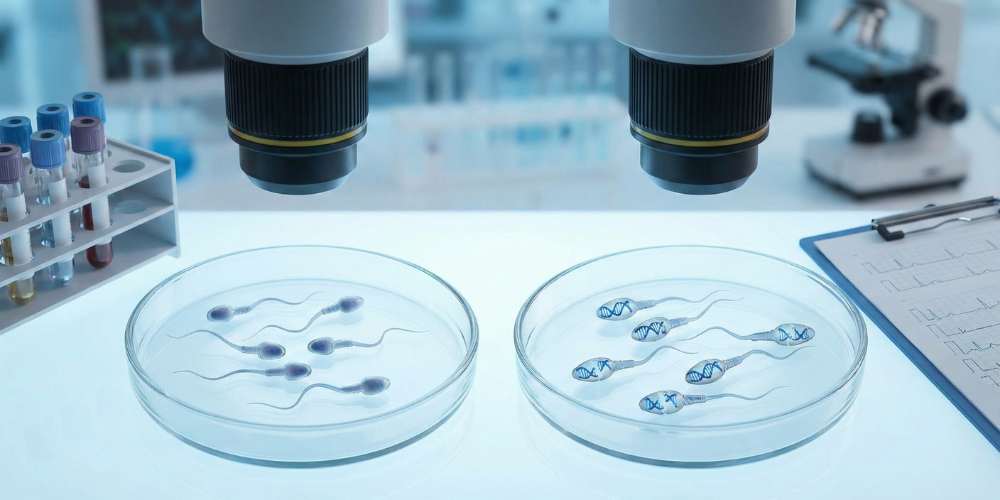
IVF depends not only on fertilization but also on how good the genetic material taken into the embryo is. With fragmented sperm DNA, the fertilization may happen but the embryo may prove difficult to cherish and grow. Thus, couples and clinicians are guided toward looking above the outer layers and searching for reasons that go deeper than surface parameters when looking for unexplained infertility and repeated disappointments in IVF.
In fact, sperm DNA fragmentation test normal range concerns itself with various kinds of breaks or alterations in the DNA strands of sperm cells. These breaks, which hamper the ability of the sperm to convey intact genetic instructions for the healthy formation of an embryo, form the basis for this test, as opposed to normal semen tests, which mostly probe for physiological and motorial parameters.
For couples with idiopathic infertility, repeat implantation failure, and recurrent pregnancy losses, this test assumes significance. Such couples tend to come with otherwise normal reports, yet pregnancies do not ensue. Unveiling some DNA issues would create possibilities for special treatment methods to be planned for optimization of the chances of success.
Someone must know the normal ranges of the sperm DNA fragmentation tests for the couple to finalize on what the next step in their treatment will be. Usually, lower fractions of DNA fragmentation would mean healthier sperm DNA, while a higher degree of fragmentation would suggest that the sperm genetic material may be impaired and such impaired sperm would interfere with IVF success. Categorization into low, moderate, or high risk is awarded according to the established clinical thresholds.
The abnormal results do not point out any possibility of pregnancy, but instead indicate areas requiring possible intervention. Lifestyle intervention can be implemented alongside medical intervention or advanced sperm selection techniques to gradually reduce the extent of DNA damage and improve fertility outcomes.
Among the various causes of ivf failure, damage to sperm DNA has been one of the least visible but most impactful. While fertilization may occur successfully, it is usually the case that embryos originating from broken-down DNA fragments fail to implant or discontinue development after a few days. Thus, repeated failed cycles occur without an apparent reason.
DNA fragmentation would also increase the loss in the early stages of pregnancy. It doesn't matter how good the embryo looks under a microscope when a loss occurs. Knowing this factor early would save the mind from emotional fatigue and give a chance for not subjecting the victim to unnecessary repeated cycles without guessing.
Often displayed in discussions about IVF failure are factors such as egg quality and uterine causes with low consideration for male genetic contribution. Nevertheless, sperm DNA integrity will directly correlate with the term "fit" by which we define an embryo's ability to divide, implant, and maintain a pregnancy. Events much like these can compromise the potential even when the scientific protocols used are among the highest standards available for IVF.
Considering male genetic health to be an equally important player would then reconceptualize the face of fertility care. The early testing and subsequent treatment of damaged sperm DNA can appreciably improve chances, so as to avoid repeat failures.
The genetic blueprint provided by both progenitors should be flawless for the formation of a healthy embryo. The presence of sperm DNA fragmentation would retard the formation of an embryo or would not allow it to reach the blastocyst stage or culminate in failed transfer. That is why you see that some embryos apparently develop properly and then fail at implantation.
Obviously, some embryos are sensitive to changes in the environment they are placed in during their stay in the uterus. No matter how perfect the hormonal support is, or how perfect the timing of activities is, there are embryos with poor genetics with respect to implantation, and those fail to implant where one would expect success.
Oxidative stress is one of the major causes that create damage to the DNA in the sperm. It happens because oxidative free radicals gain upper hand over the natural defenses of the body by antioxidants. Other contributors, such as pollution, obesity, infections, and smoking, plus prolonged exposure to heat, increase the level of oxidative stress in the testes.
Over the period of time, this stress damages the sperm DNA during its formation and maturation. However, this can be improved by lifestyle modifications, antioxidants, and some medical assistance since it can reduce the degree of DNA fragmentation significantly as well as improve fertility results.
Choosing Best IVF centre in Chennai Dr. Aravind is trusting that group of people who will listen to your concerns and make sense of your worries. It has senior professionals and provides advanced fertility technology along with personalized treatment plans, which honestly treat every couple with compassion. Thus, their focus is not just on success, but also on the support families get along with care, transparency, and confidence in their journey.
Hence, the normal DFI range: an acceptable percentage of sperm DNA fragmentation which would produce a favorable clinical outcome. Low values indicate healthy sperm DNA and the better chance of fertilization, implantation, and consequently pregnancy.
Once the DFI levels are raised, then interventions can be put in place such as antioxidant therapies, advanced sperm selection, or where necessary, testicular sperm retrieval. Monitoring and improving DFI are a real game changer in IVF for couples who otherwise would experience repeated failures.