Placenta previa is a condition of pregnancy resulting in covering of placenta cervix. This condition causes painless, bright red vaginal bleeding, usually after the 20th week of pregnancy. Bleeding may occur intermittently and spontaneously cease, returning to occur again at another time.
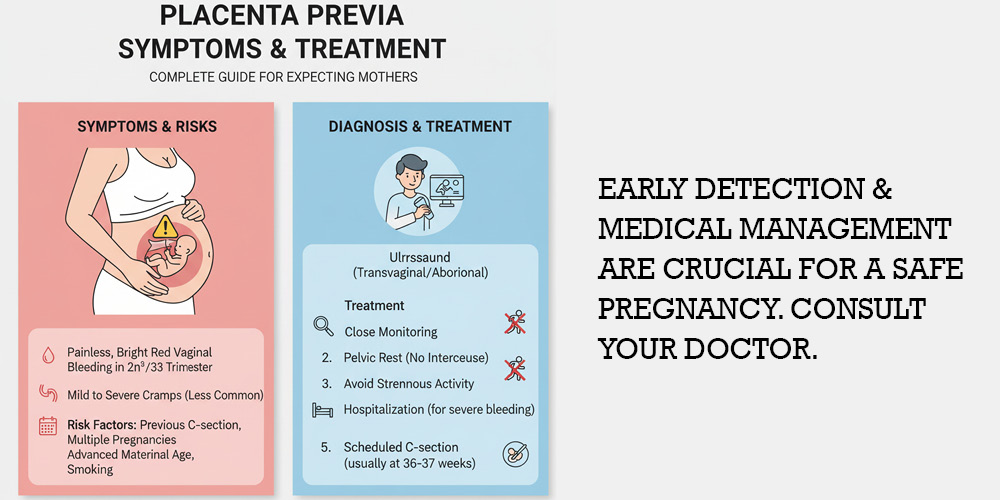
Along with many hopeful things, concerns regarding the complication arise with pregnancy, and when complications arise, proper care is needed. At Dr. Aravind's IVF, obstetricians look out for any possible complications that threaten maternal and fetal well being. One such problem is known as placenta previa symptoms, which could pose serious threats if it is left undetected and unmanaged. This article probes into Placenta Previa Symptoms in-depth, as well as the diagnostic measures, medical and surgical options, and development of a care plan under specialists like those at Dr. Aravind's IVF for improved outcomes.
The Diagnosis of Placenta Previa must be carefully evaluated at Dr. Aravind's IVF. Once diagnosed, management is planned. Transabdominal ultrasound is done first; if the placenta appears low-lying, a transvaginal scan is the gold standard for determining the placental location with respect to the internal cervical os. Doppler assessment would help in identifying vascular lacunae or abnormal placental invasion. If needed, maternal hemoglobin, coagulation profile, and blood typing (including crossmatch) are done.
If the imaging suggests a low placenta,
In less severe cases, Medical Management of Placenta Previa under the supervision of maternal fetal experts at Dr. Aravind's IVF. The patient is generally advised to maintain pelvic rest no intercourse, limited exertion and to avoid physical strain. Protocol includes continuous fetal monitoring, periodic ultrasounds, and cervical assessments. The aim is to prolong pregnancy while preventing any big complications.
If other support is required, Medication for Placenta Previa the team at Dr. Aravind's IVF will administer pharmacological treatment for placenta previa. The practice of using tocolytics is cautionary as they may be administered temporarily in the case of any emergent contractions. Corticosteroids are usually given to enhance the pulmonary maturity of the fetus in case of an anticipated early delivery. Iron and its by-products can help alleviate maternal anemia. Tranexamic acid has been utilized in a few cases, though with stringent supervision and an exhaustive risk-benefit review.
If intensive interventions are required for Placentare Previa Treatment, the entire perinatal team of Dr. Aravind's IVF adopts the management. In the case of minimal and stable bleeding, conservative outpatient care may suffice. In moderate cases, scheduled admissions and observation, as well as bed rest, can be deemed necessary. Heavy bleeding with recurrent fetal jeopardy will result in a switch to early delivery, usually by cesarean section. The timing of delivery strikes a balance among fetal maturity and risk of bleeding.
The opinion of Dr. Aravind regarding Surgical Management of Placenta Previa takes into consideration bleeding severity,age, fetal condition, and placental site. Urgent surgical delivery indicates uncontrolled hemorrhage, hemodynamic instability fetal status. Patients with complete previa usually culminate in an elective cesarean delivery at 36 or 37 weeks of gestation. Coordination is necessary with anesthesia, neonatology, and blood bank.
Each placenta previa patient at Dr. Aravind's IVF is put on a good Placenta Previa Care Plan that includes regular monitoring visits for the patient, rest instructions at home, advice on hospital presentation (e.g., any bleeding episodes), fetal monitoring regimens, serial ultrasounds, and contingency plans for bleeding events. Psychosocial support, counseling regarding risks to both mother and fetus is incorporated. Predefined transfer plans to higher centers or ICU backup must be in place.
The placenta previa represents an alarming condition in obstetrics, requiring close evaluation and management. At Dr. Aravind's IVF, we endeavor to maximize results through careful examination of Placenta Previa Signs and Symptoms, timely diagnosis, and graduated treatment. Treatment decisions, whether through the medical management of placenta previa or carefully considered use of medications for placenta previa, usually dovetail into the surgical management of placenta previa when placental surgery is warranted, determined by maternal stability, fetal maturity, and other considerations. The resulting individualization of the placenta previa care plan allows for the well-integrated, coordinated, evidence-based management of both the mother and fetus, from the time of early diagnosis through to delivery and discharge.
The journey of an infertile couple is different from one to another. But what remains constant are care, guidance, and expertise. If you are searching for fertility treatment options, you must choose a place which values your dream as well as your emotional well-being. Dr. Aravind IVF is known for maintaining that delicate balance between medical excellence and human compassion so, Book Your Appointment to start your parenthood journey.