Vanakkam, Namaskara, and Namaste to all the expectant mothers reading this.
At Dr. Aravind’s IVF, across our 40+ branches in Tamil Nadu, Karnataka, Kerala, and Andhra Pradesh, we meet thousands of nervous parents every month. Usually, the anxiety starts the moment you walk out of your 20-week anomaly scan holding a report that says words like "Anterior," "Fundal," or "Low-lying."
I often see mothers in our Chennai or Bengaluru clinics scrolling through their phones, eyes wide with worry, trying to Google if their placenta position is "safe". Let’s clear the air right now: In 95% of cases, your placenta position is just a biological "address" and not a medical "warning".
This guide is designed to help you decode your ultrasound report in simple, clinical terms, specifically tailored for you.
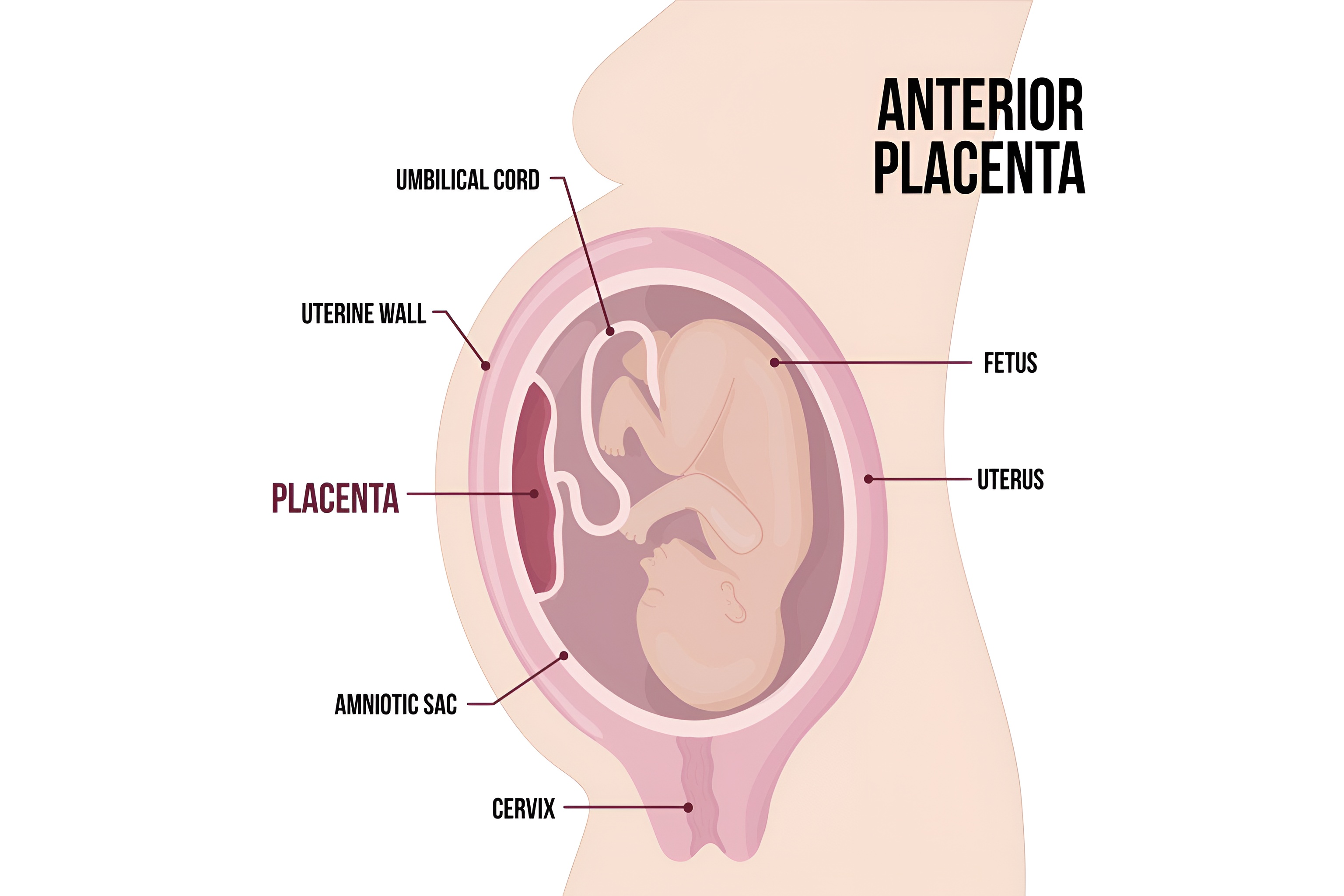
Before we talk about where it is, let’s talk about what it does. Think of the placenta as the "Annapurna" or the ultimate provider for your baby. It is a temporary organ that develops in your uterus during pregnancy.
Typically, the placenta attaches itself to the wall of the uterus wherever the embryo first implants. As your uterus grows and stretches – like a balloon inflating – the placenta often "moves" or migrates upward.
When you look at your scan report, you will likely see one of these terms. Here is what they actually mean for you and your baby:
If your report says Posterior, the placenta is attached to the back wall of your uterus, closest to your spine.
An Anterior placenta is attached to the front wall of the uterus, closest to your belly button.
This means the placenta is located at the very top of the uterus (called the fundus).
A Lateral placenta is attached to either the right or left side of the uterine wall.
A Low-lying placenta means the placenta is located in the lower part of the uterus, close to the cervix.
Placenta previa occurs when the placenta covers the cervix, the opening to the birth canal.
| Position | Location | Impact on Kicks | Delivery Method |
|---|---|---|---|
| Posterior | Back wall (near spine) | Very strong, early feel | Ideal for Vaginal |
| Anterior | Front wall (near belly) | Muffled or late feel | Vaginal or C-section |
| Fundal | Top of the uterus | Normal | Ideal for Vaginal |
| Lateral | Side wall | Normal | Typically Vaginal |
| Low-Lying | Near cervix | Normal | Depends on migration |
| Previa | Covering cervix | Normal | C-section required |
Some research suggests IVF pregnancies may have a slightly higher rate of low-lying placentas. However, modern ultrasound monitoring ensures early detection and proper management.
There are primarily six positions: Anterior (front), Posterior (back), Fundal (top), Lateral (side), Low-lying (near the cervix), and Placenta Previa (covering the cervix). Each position describes exactly where the placenta has attached itself to the uterine wall.
Generally, a Posterior or Fundal position is considered ideal for a vaginal birth. These positions keep the birth canal clear and allow the baby to move into the correct head-down position more easily.
Yes, it can,through a process called "placental migration". As your uterus stretches and grows upward, it often pulls the placenta away from the lower segment and toward the top.
A Fundal placenta is attached to the very top of your uterus. This is a perfectly healthy and normal location that provides excellent blood flow to your baby and usually doesn't interfere with labor.
Absolutely. A Lateral placenta means the embryo implanted on either the left or right side of the uterine wall. Unless it is very low-lying, it is not a cause for concern and is quite common.


