Irregular periods - the ultimate stress test for many women. And let's be honest, when your cycle is all over the place, you start to wonder what's going on in there as your body has turned into a bloody puzzle. But here's where your menstrual cycle turns out to save the day- an ounce of hormonal consideration can buy a lot of protection for one's reproductive health. A healthy period - that's anything from 21 to 35 days, but know that a little bit of wiggle room is just fine.
What you want to be on the lookout for, though, is any sudden or ongoing changes in your cycle that's starting to raise red flags - that's your body telling you something's amiss. Every woman's body is different, and it's down to us to figure out when a shift like this is starting to take a toll on our overall well-being.
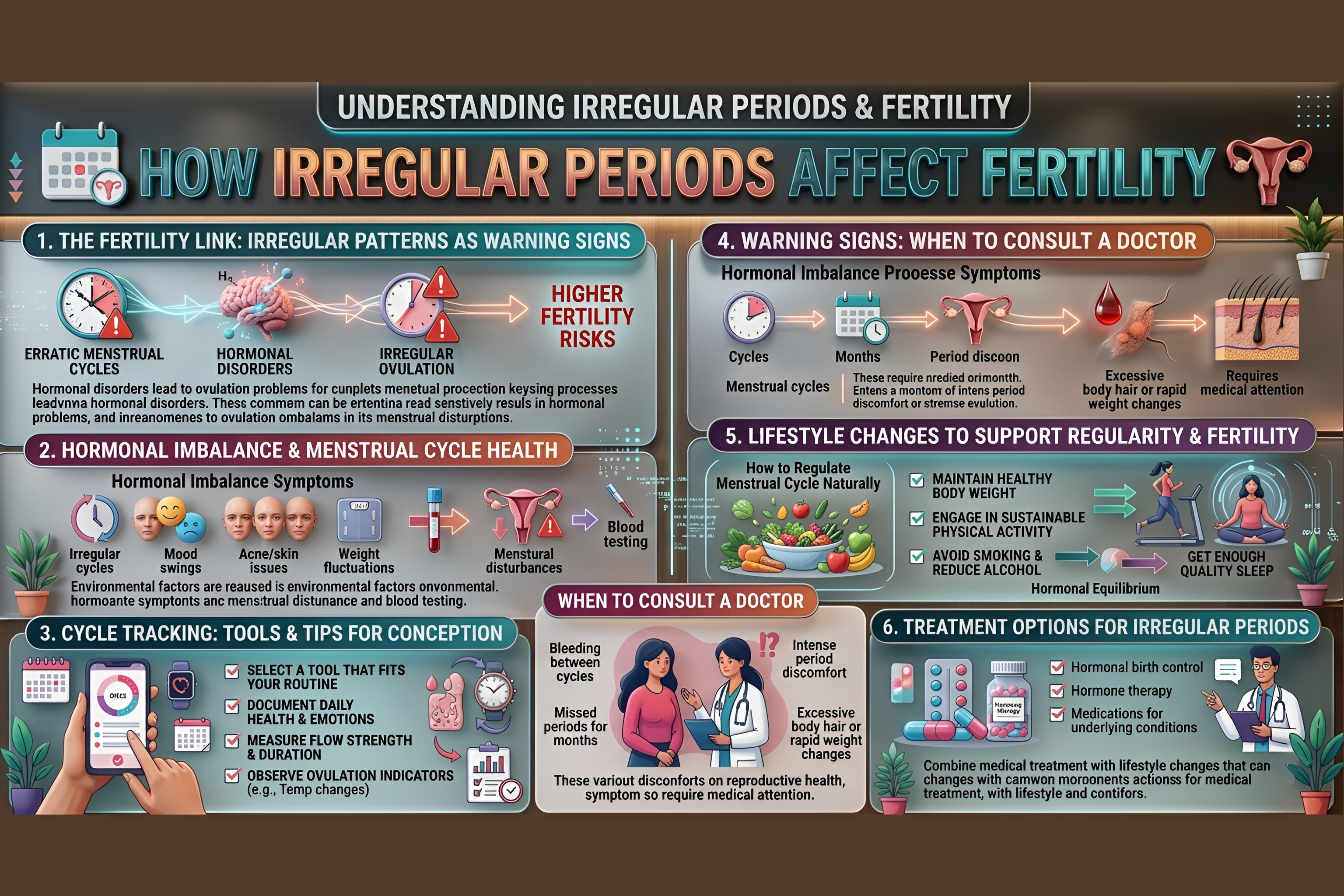
The term irregular menstrual cycle includes more than just its duration. The flow and duration changes together with pattern shifts serve as initial signs of the condition. A healthy menstrual cycle requires people to maintain regular patterns instead of needing flawless schedule control, especially when monitoring menstrual cycle irregularities.
You should seek medical help when your cycle experiences sudden unexpected changes. The menstrual cycle becomes irregular when its length exceeds 35 days on a regular basis. Short cycles which last less than 21 days serve as a signal of your condition and may indicate when to see a doctor for irregular periods.
Your menstrual cycle depends on hormone regulation. Hormone level imbalances result in menstrual cycle disturbances and are common hormonal imbalance symptoms. Your menstrual cycle shows temporary changes which result from stress and your pattern of living.
People should not worry about occasional period irregularities but multiple instances of these irregularities need further investigation because they may hide health problems. A clear understanding of your body’s signals supports better menstrual health decisions which enable better health choices and help answer can irregular periods affect fertility.
The various factors that cause irregular periods. The understanding of these causes enables resolution of the main problem. Menstrual cycles experience disruption through hormonal imbalances which frequently serve as the main reason behind period problems.
Cycle disruptions occur in women who have certain health conditions including diabetes. The conditions disrupt the regular functioning of hormonal processes. Antidepressant drugs and other medications create patterns of irregularity between their users.
Women experience various changes after they stop using birth control methods. The body undergoes a temporary period of readjustment before returning to normal function.
The body may develop nutritional deficiencies that lead to menstrual problems which include iron and vitamin D deficiencies. The maintenance of vital nutrients through a balanced diet enables women to achieve better menstrual health and supports how to regulate the menstrual cycle naturally.
Unpredictable menstrual patterns serve as a warning sign that patients may have hormonal disorders. Hormonal disorders lead to irregular ovulation which creates problems for women trying to conceive and highlights how irregular periods affect fertility.
Women who experience irregular ovulation patterns will find it harder to achieve successful conception, contributing to ovulation problems fertility.
People can use knowledge about ovulation signs to control their unpredictable menstrual cycles. Women experience symptoms which indicate their upcoming ovulation through two main physical changes. The identification of these signs allows people to determine their most fertile period and improve fertility and menstrual cycle tracking.
Physicians must evaluate patients who have hormonal disorders which include PCOS. The medical conditions lead to decreased fertility but doctors can provide effective treatments. People must consult medical professionals to determine which medical treatments they need for treatment for irregular periods.
Life changes can help some people establish regular menstrual patterns. People can achieve their goals by making dietary changes and increasing physical activity and decreasing stress. The body achieves hormonal equilibrium through these activities which leads to better reproductive functions and supports best treatment for irregular periods.
Menstrual health depends on hormonal balance because it serves as the crucial factor that determines menstrual health. Regular menstrual cycles depend on the body maintaining its exact hormone balance. Any interruption to this hormone system will result in both menstrual cycle disturbances and reproductive capability issues linked to hormonal imbalance symptoms.
Women experience various hormonal imbalance symptoms that include more than just irregular menstrual cycles. Women might experience acne, weight changes, and mood fluctuations. Unstable hormonal levels show through these particular signs.
Environmental factors may also contribute. Endocrine disruptors cause hormonal balance disturbances through their effects on the body. Menstrual health can improve through the process of discovering ways to decrease exposure to these products.
Blood testing serves as a diagnostic tool to detect hormonal imbalances. The test results show possible factors that disrupt normal menstrual cycles. Health professionals can then recommend appropriate treatments for treatment for irregular periods.
The ability to understand your menstrual cycle creates empowering knowledge. The process of cycle tracking enables people to discover their regular patterns and their irregular patterns. The method provides you with information about your complete reproductive system status and supports cycle tracking tips.
People have access to multiple cycle tracking tools which they can use for their tracking needs. Users commonly select applications and wearable technology and standard calendars as their preferred tracking methods.
The process of tracking requires people to maintain tracking records throughout the day. The process of entering data at specific times increases the trustworthiness of the information that research collects. Healthcare professionals use this data to determine the medical problems which occur in patients.
The understanding of irregular periods needs to be understood because they require medical attention. The indicators need to be identified because they can help with medical treatment and answer when to see a doctor for irregular periods.
A woman needs to see a doctor when she experiences either frequent bleeding or heavy bleeding. The symptoms of this condition point to medical issues which include fibroids and hormonal disorders.
Healthcare providers need to be contacted whenever these particular symptoms appear. The medical professionals will conduct tests to determine the underlying problem. The medical procedure uses blood tests and ultrasounds to detect hormonal disorders and reproductive system problems.
The adoption of lifestyle changes establishes itself as an essential method for menstrual cycle control. The changes also provide benefits for their ability to boost fertility and support how to regulate the menstrual cycle naturally.
The process of handling stress constitutes an important requirement. The body experiences hormonal disruptions because of ongoing stress.
The body requires proper nutrition through its dietary needs. People must follow a balanced nutrition plan which provides essential dietary components.
People should use exercise as a health benefit but they need to limit their exercise time. Excessive exercise will lead to menstrual cycle disturbances.
Women who experience irregular menstrual cycles have access to multiple treatment options. Doctors frequently prescribe hormonal birth control as their preferred treatment option for treatment for irregular periods.
Patients should adopt lifestyle modifications which should occur together with their medical treatments for the best treatment for irregular periods.
Your menstrual cycle knowledge stands as an essential requirement for your complete health maintenance. The ability to detect irregularities through awareness enables individuals to receive medical help without delay.
Your menstrual issues can be managed through cycle tracking and the adoption of healthful lifestyle practices. The process of fertility planning becomes more effective through consultation with healthcare providers, especially when addressing irregular periods and fertility.
The process of taking proactive control enables you to acquire knowledge which will help you make decisions about your reproductive health and answer common concerns like can irregular periods affect fertility.
Irregular menstrual cycles typically show that a woman does not ovulate which makes it more difficult for her to become pregnant.
The main reasons for this condition to occur include hormonal imbalance and PCOS and thyroid disorders and stress and changes in lifestyle.
You need to see a doctor when your menstrual cycles become shorter than 21 days or longer than 35 days or when you experience multiple missed periods.
Chronic stress brings about hormonal changes which result in menstrual cycle disruptions
A combination of healthy eating and stress management and regular exercise and sufficient sleep will bring about the desired results.


